Stunning example of this Roman gold Aureus struck during the lifetime of Julius Caesar with a rich documented pedigree dating back to 1976, likely earlier. Incredibly difficult to find this nice with a 5/5 strike and 4/5 surface rating. Fantastic eye appeal and free of problems, usually seen with marks or brushed. Unique flan shape. Absolutely remarkable piece of tangible history that puts you close to one of, if not the most influential man of all time.
The obverse features a veiled female head of possibly Vesta or Pietas facing right with features of Julius Caesar. C ~ CAESAR can be seen to the left of the head and COS TER to the right denoting Caesar as Consul for the Third Time (circa 46 BC a couple of years prior to his assassination.
The reverse features lituus, oenochoe, and securis all facing left. A ~ HIRTIVS ~ PR can be seen on the left side of the reverse.
“Aulus Hirtius was a key supporter of Caesar, who might have ended up as Caesar's successor in power had events taken a different turn. An experienced soldier, he served as one of Caesar's legates in Gaul from about 54 BC and was an envoy to Pompey in 50 BC. He served Caesar loyally during the Civil War against Pompey and his successors in 48-45 BC. Hirtius was appointed as Caesar's mintmaster in Rome in 46 BC, and it was then that he struck the first truly large issue of gold aurei from the spoils of Caesar's campaigns. These aurei, which bear a rather enigmatic veiled female head on the obverse, were used to pay Caesar's soldiers after the great triumphal parade. After Caesar's assassination, Hirtius initially supported Marc Antony but, after taking over as Consul in 43 BC, he raised an army against Antony at the instigation of Cicero and Octavian. His army defeated Antony at Mutina in April of 43 BC, but Hirtius was killed in the fighting; his consular colleague Pansa died days later, leaving Octavian and Antony masters of Rome. Modern historians owe Hirtius a debt of gratitude for preserving and editing Caesar's Commentaries on the Gallic and Civil Wars.”
Stunning example of this Roman gold Aureus struck during the lifetime of Julius Caesar with a rich documented pedigree dating back to 1976, likely earlier. Incredibly difficult to find this nice with a 5/5 strike and 4/5 surface rating. Fantastic eye appeal and free of problems, usually seen with marks or brushed. Unique flan shape. Absolutely remarkable piece of tangible history that puts you close to one of, if not the most influential man of all time.
The obverse features a veiled female head of possibly Vesta or Pietas facing right with features of Julius Caesar. C ~ CAESAR can be seen to the left of the head and COS TER to the right denoting Caesar as Consul for the Third Time (circa 46 BC a couple of years prior to his assassination.
The reverse features lituus, oenochoe, and securis all facing left. A ~ HIRTIVS ~ PR can be seen on the left side of the reverse.
“Aulus Hirtius was a key supporter of Caesar, who might have ended up as Caesar's successor in power had events taken a different turn. An experienced soldier, he served as one of Caesar's legates in Gaul from about 54 BC and was an envoy to Pompey in 50 BC. He served Caesar loyally during the Civil War against Pompey and his successors in 48-45 BC. Hirtius was appointed as Caesar's mintmaster in Rome in 46 BC, and it was then that he struck the first truly large issue of gold aurei from the spoils of Caesar's campaigns. These aurei, which bear a rather enigmatic veiled female head on the obverse, were used to pay Caesar's soldiers after the great triumphal parade. After Caesar's assassination, Hirtius initially supported Marc Antony but, after taking over as Consul in 43 BC, he raised an army against Antony at the instigation of Cicero and Octavian. His army defeated Antony at Mutina in April of 43 BC, but Hirtius was killed in the fighting; his consular colleague Pansa died days later, leaving Octavian and Antony masters of Rome. Modern historians owe Hirtius a debt of gratitude for preserving and editing Caesar's Commentaries on the Gallic and Civil Wars.”


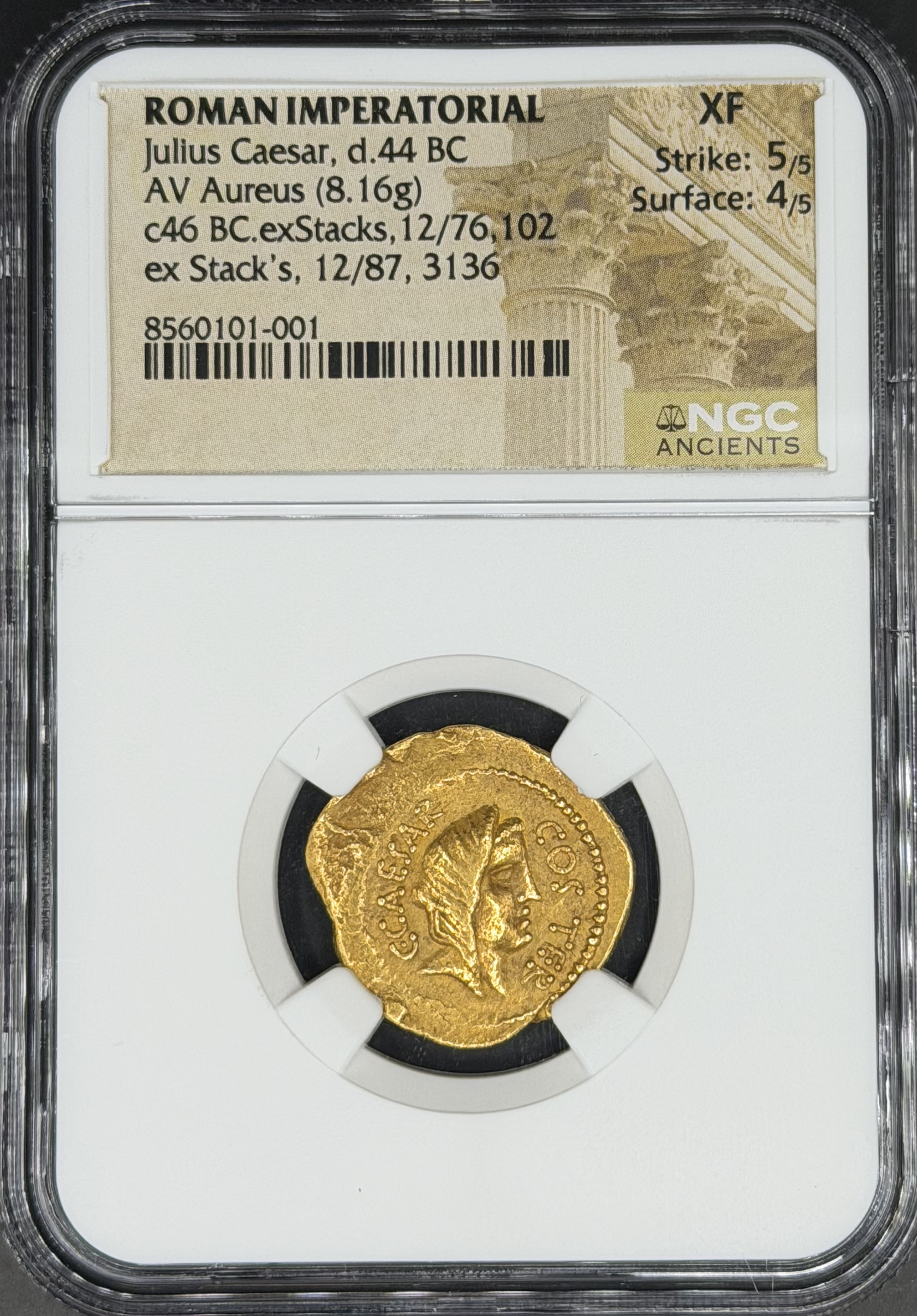 Image 1 of 10
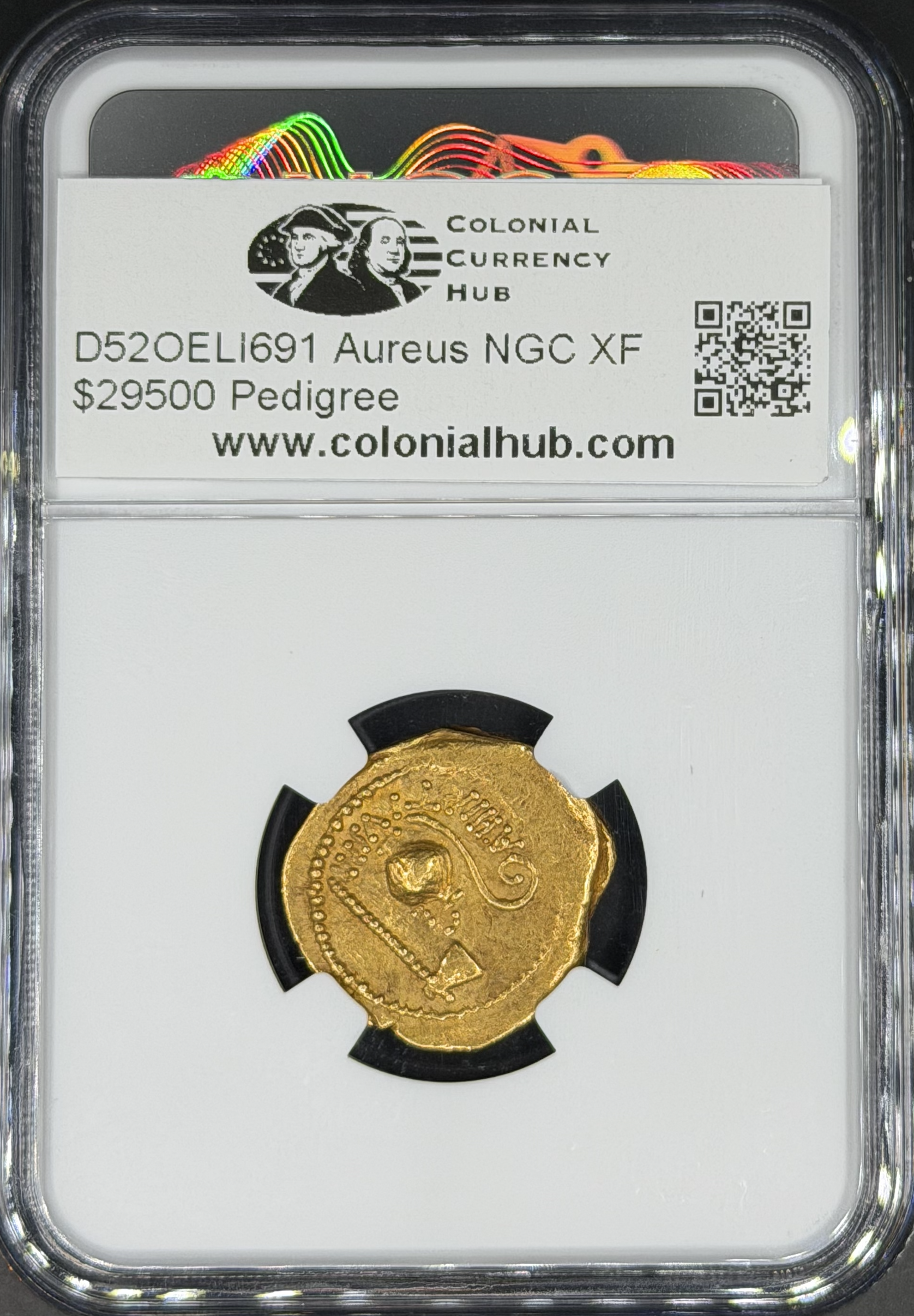 Image 2 of 10
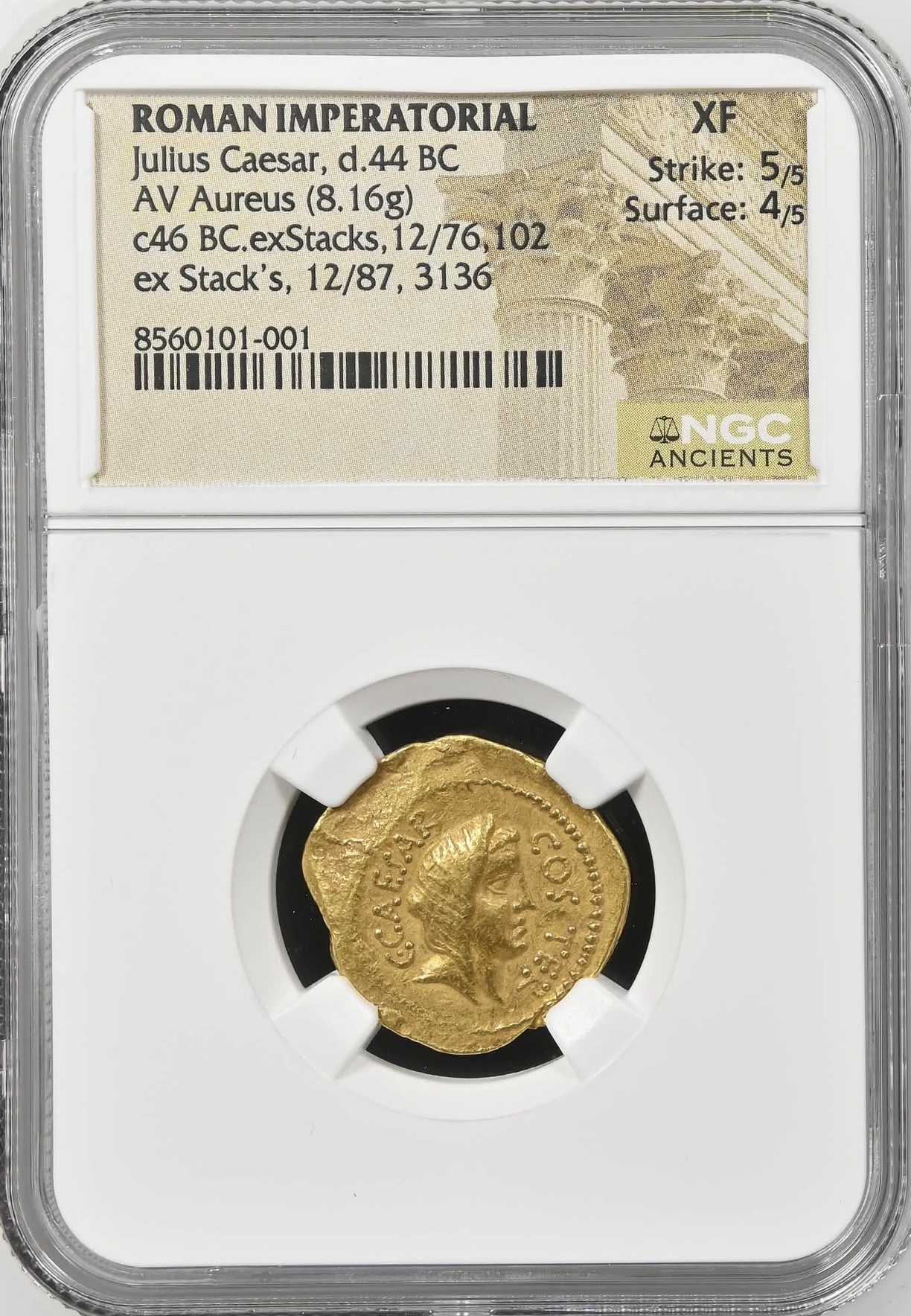 Image 3 of 10
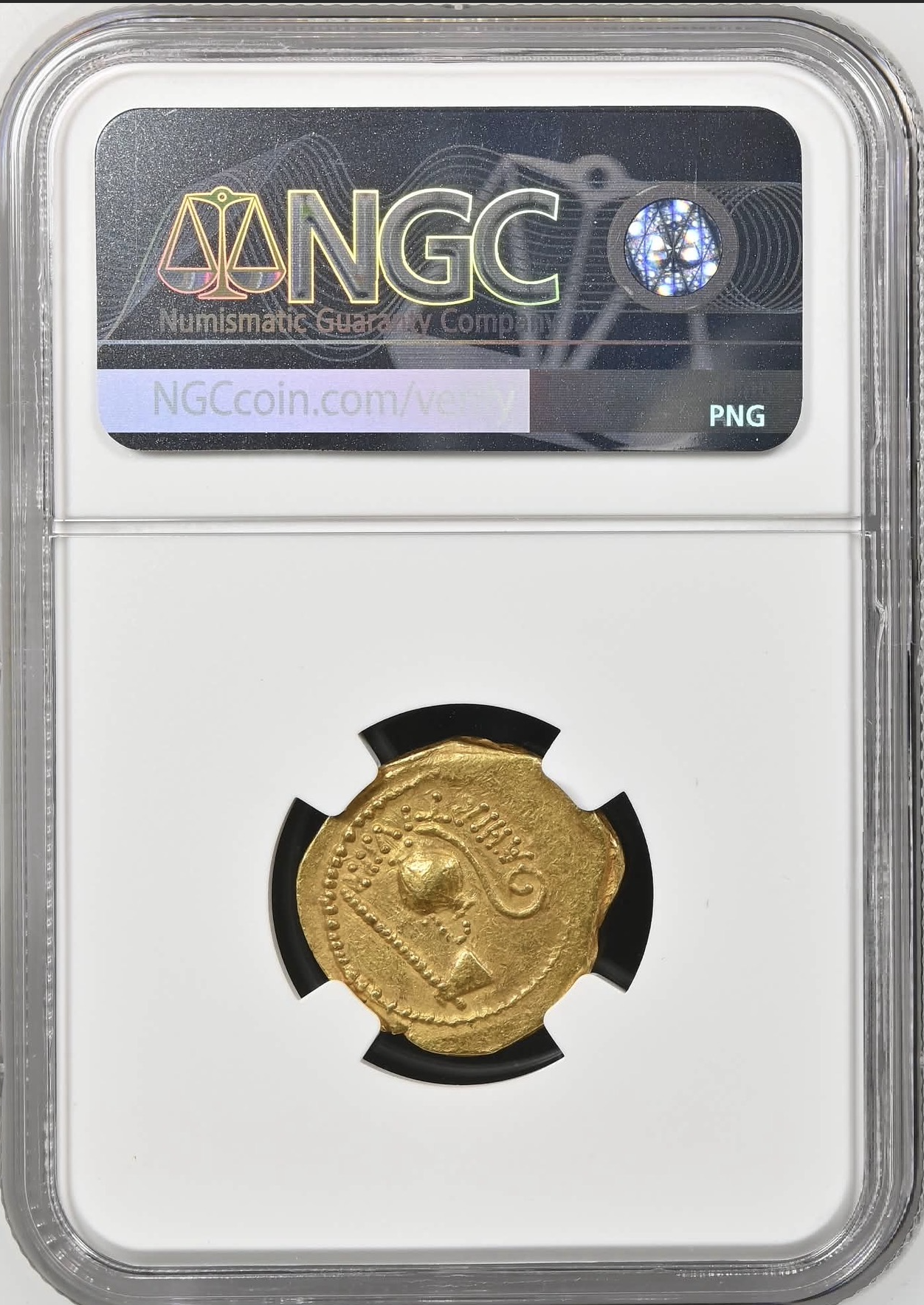 Image 4 of 10
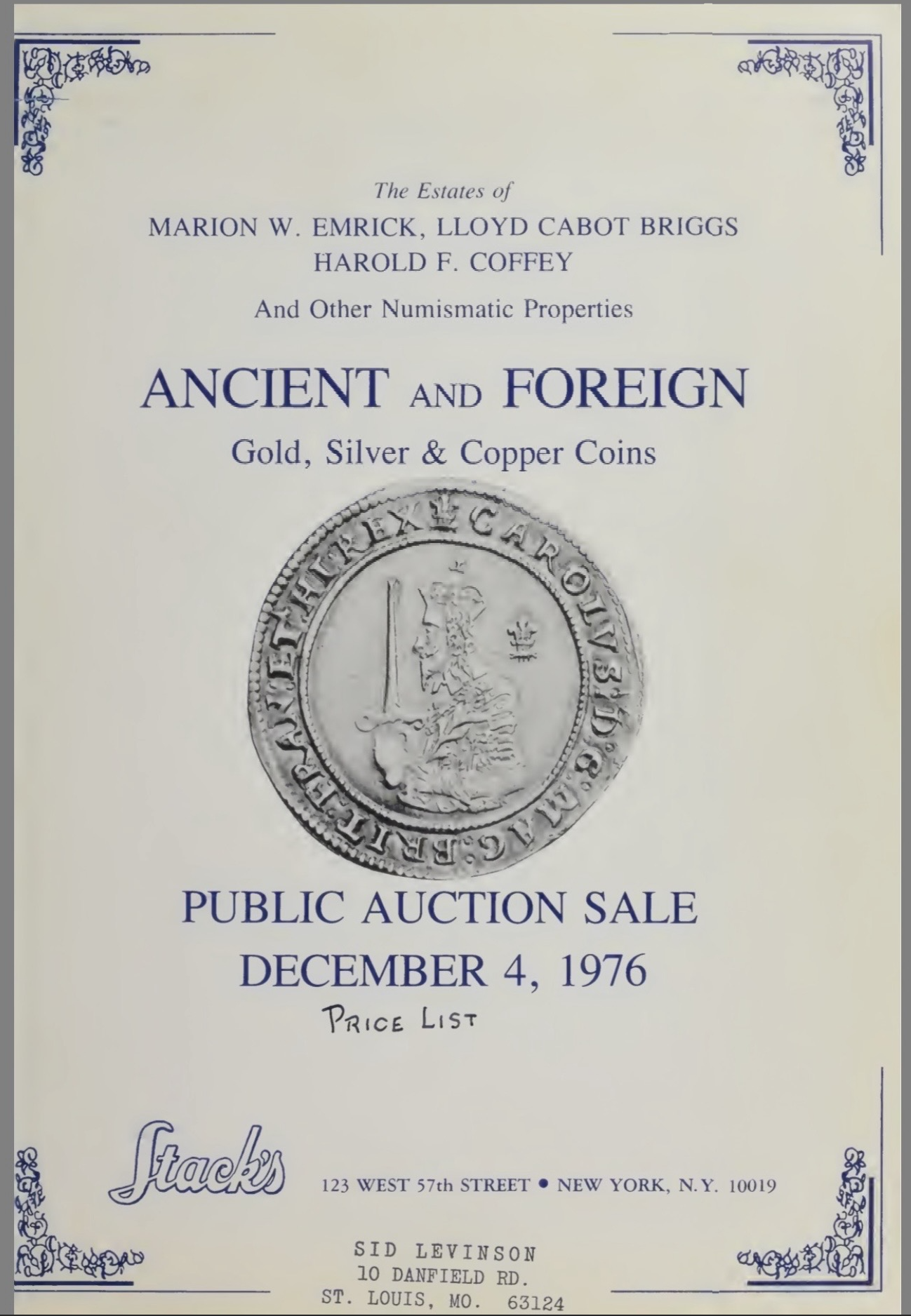 Image 5 of 10
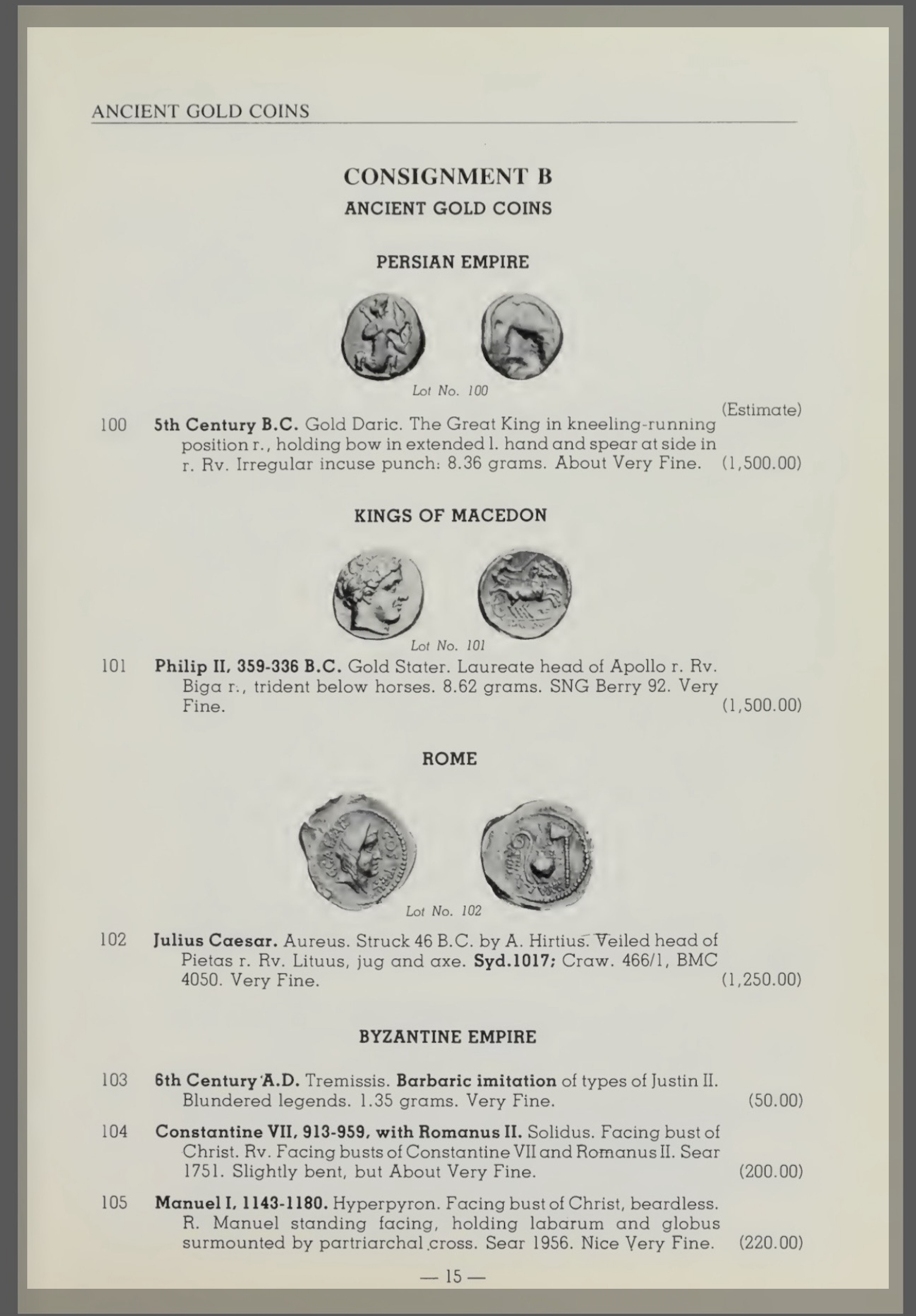 Image 6 of 10
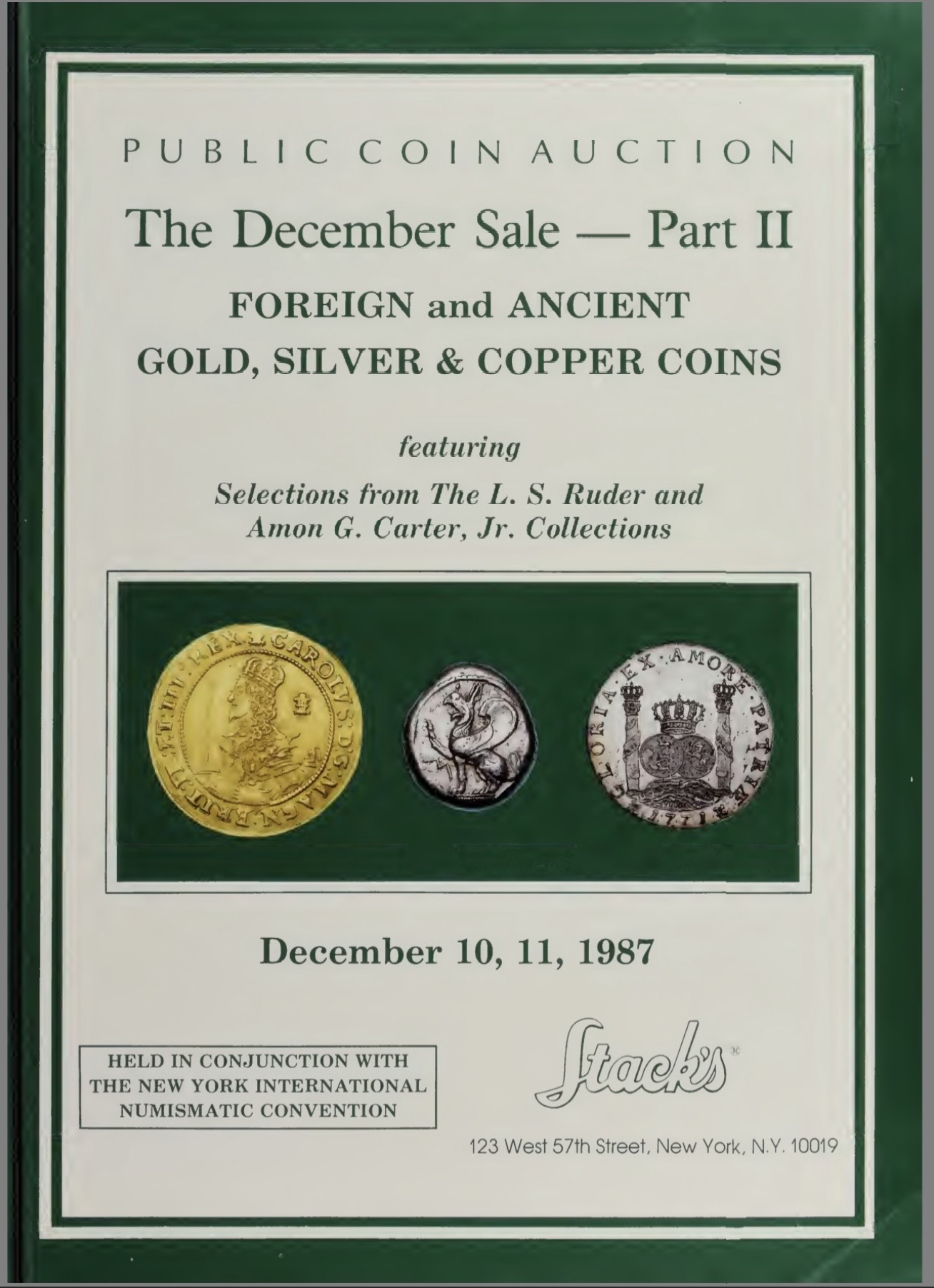 Image 7 of 10
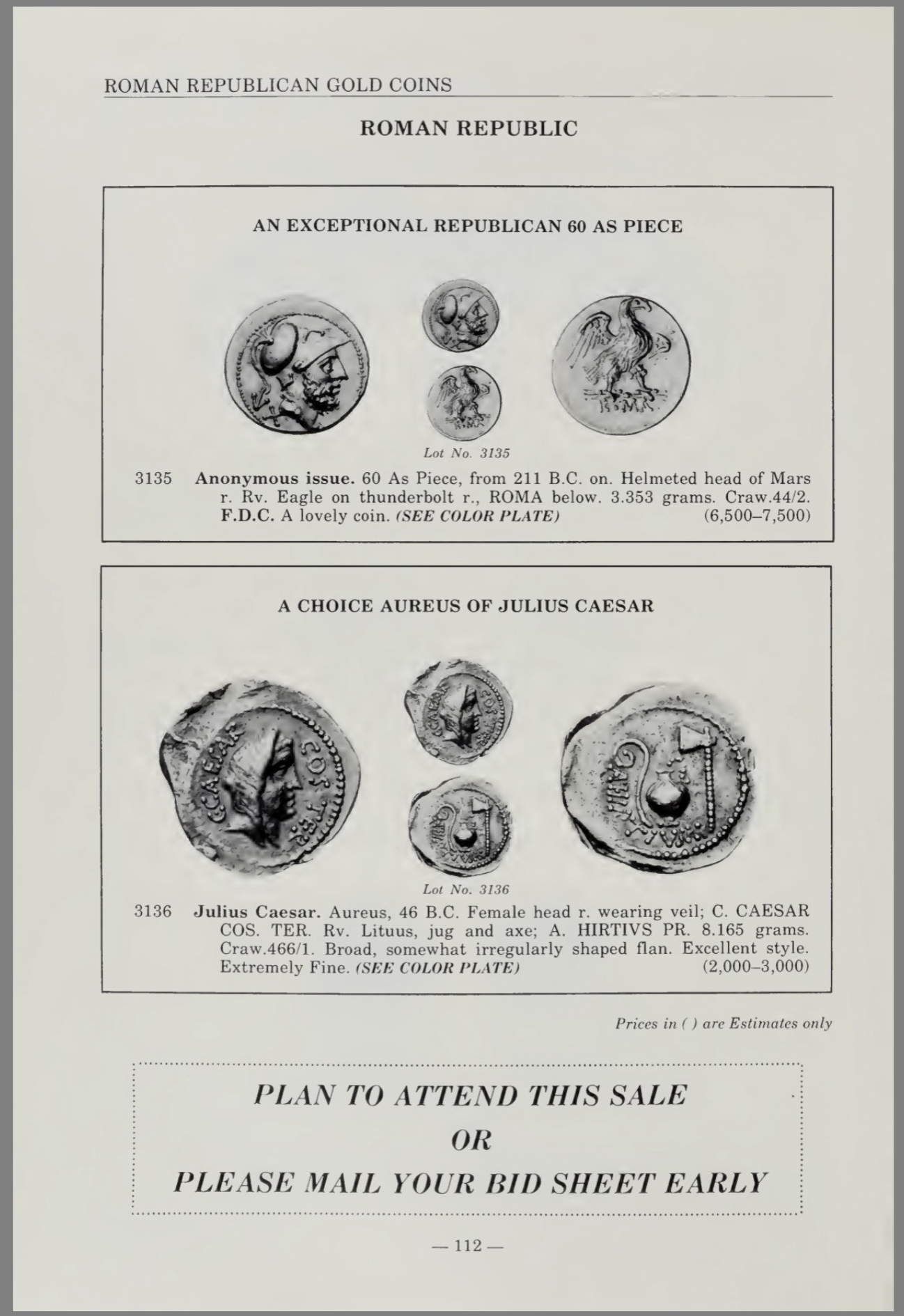 Image 8 of 10
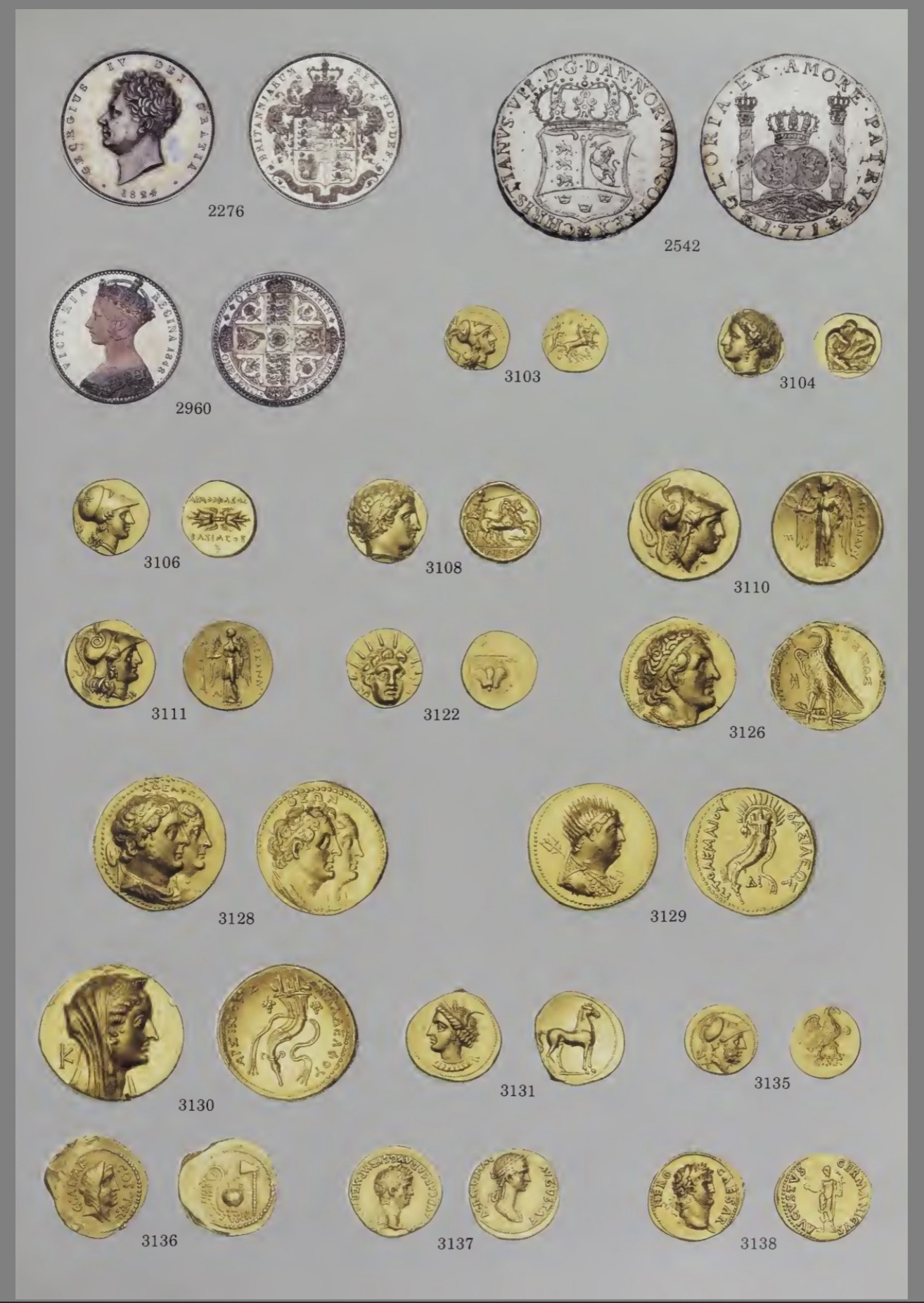 Image 9 of 10
 Image 10 of 10